
Ep. 78: What Is Omnichannel Retail? 10 Ways to Connect Your Store and Website
In 2021, I taught members of the former Shopkeepers Lab and Master Shopkeepers a lesson on omnichannel retail. I wanted to share that overview with listeners of the Savvy Shopkeeper Retail Podcast, too.
As independent retail store owners, we hear new marketing strategies and terms tossed around all the time. Figuring out which strategy is most effective and achievable for our store can be difficult, though, especially when we’re learning and implementing new ideas frequently.
Omnichannel retail connects the ways customers discover and shop with your business. Here is what it means and how independent retailers can start building a more connected experience.
Defining Omnichannel Retail: What is it?
Omnichannel retail is a fully-integrated approach to commerce that provides shoppers a unified, cohesive experience across all of your stores (both online and in-person).
As Square puts it, “Omnichannel marketing…keeps customers moving around within the brand ecosystem, with each channel working in harmony to nurture more sales and engagement.”
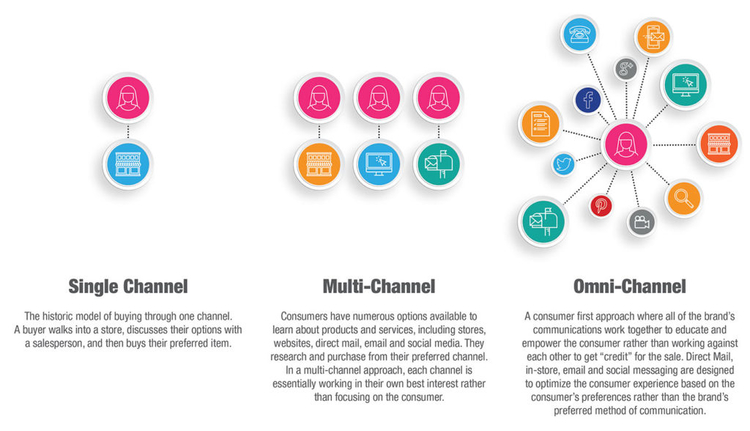
This graphic from Paldesk shows the difference between single, multi, and omnichannel strategies. A single channel model is what retail businesses have depended on for years: a customer walks into the physical store and buys something.
Multi channel marketing means that a retailer has several channels, like the physical store, TV ads, direct mail, and an online storefront, but each channel is separate. They aren’t working together and they aren’t customer-focused.
Omnichannel strategies put the customer at the center. Each channel works with the others to empower the customer with a personalized shopping experience and bring in more sales. And most importantly, the channels are seamlessly integrated—they aren’t competing for the customer’s undivided attention.
Why Micro Retailers Should Embrace Omnichannel
A connected shopping experience can help customers move between your website and store without starting over. Focus on the points where your customers currently encounter friction.
Customers may discover a product online, ask questions through social media, and purchase in your store. Connecting these interactions helps you serve that journey.
Measure the results in your own business, including repeat purchases, average transaction value, and the use of pickup or shipping options. An omnichannel strategy does not guarantee a particular sales increase.
Example of an Omnichannel Retail Experience
So how can you put an omnichannel marketing strategy into place? Here is an example of one possible omnichannel experience:
1. A customer finds your website, browses, and buys something.
2. You send them a postcard in the mail (either separately or with their order) with a link to a special landing page. They give you their email address so they can use a special promo code you’re offering on the landing page.
3. Two weeks later, you send them an email about an in-store promotion. They come into the store to participate.
This is a simple example, but you can see how each piece is bringing them back to your store and working together. They’ve now interacted with you on your website, via mail, via email, and in your store!
The connection matters: your website, email platform, and POS should let you recognize the same customer and connect their interactions where your tools and permissions allow. That helps your team follow up and serve them consistently as they move between your website and store.
10 Ways You Can Start Implementing an Omnichannel Experience in Your Independent Retail Business
So how can you start creating your tailored omnichannel experience for your customers? It all starts with knowing your customer on a deeper level.
1. Understand your customers.
Get a baseline understanding of how your customers interact with your business. Use data from your website, social media, point of sale system, or a customer survey to help you get a comprehensive overview of how they move throughout your business ecosystem.
2. Start your email or text marketing list.
Implementing a new channel can be intimidating, but just collecting the information from your customers (with a consensual opt-in!) is a great place to start. This can be as simple as having a clipboard with an email sign-up list at your front counter.
3. Allow customers to shop with you through social media.
Make it easy for someone who discovers a product on social media to find it on your website. Use product links and the shopping features available for your account, platform, and location.
4. Train your team to help customers integrate into your omnichannel experience.
If your team is used to ringing up purchases without asking for an email address or phone number, this can take some getting used to. Make sure you add some extra training and encourage teamwork so customers can opt-in to your omnichannel marketing experience.
5. Make sure your website is mobile-friendly.
More and more consumers are embracing online shopping, especially with the COVID-19 pandemic shifting everything online. Your website should be mobile-friendly so that customers can easily shop with you from whatever device they have on hand.
6. Actively sell on social media.
In addition to creating shoppable posts with your items on social media, you can host Facebook Live sales events, offer comment selling, or create other virtual shopping experiences for your customers.
7. Build your e-commerce storefront and learn to ship.
Many members of the Savvy Shopkeeper community built online storefronts during the pandemic, but not all of us are comfortable with shipping yet. Being able to seamlessly fulfill orders without a customer needing to come in for store pick-up is an important next step. Remember, we want to empower the customer to shop with us in the way that works for them!
8. Understand the Meta pixel and your website tracking.
The Meta pixel, formerly called the Facebook pixel, helps measure website events and advertising performance. Use Meta’s implementation guidance and your website platform’s current instructions, including applicable consent requirements.
9. Use the POS features that support your store.
Square and Shopify both offer tons of extra features like loyalty programs, app integrations, and email marketing options. Choose the features that support your customers and your store’s needs. And if you’re in Master Shopkeepers and need some guidance, ask in the group—members can share their experience using these systems in their stores.
10. Make everything convenient for your customers.
Whether you can offer in-store pickup through your online store, returns by mail, or a more lenient return policy, try to find ways to make shopping with you as convenient as possible.
How Are You Going to Become Omnichannel?
Your mobile marketing, social media, website, and in-store experience need to work together to create an omnichannel experience. When I recorded this episode in 2021, I was still working toward that connection in my own store. The process helped me see where we could make shopping easier for our customers, and I hope it gives you ideas for your store, too.
Resources
- Explore Master Shopkeepers
- MSK offers coaching and support for independent retail store owners.
- Omnichannel Retail Simplified (Shopify)
- Omnichannel Strategy: Take Your Marketing to the Next Level (Square)
- Omnichannel Marketing: The Winning Guide for Business Growth (Paldesk)
- Sponsor at the time of recording: Honeycomb
*Please note that some of the links above are affiliate links or referral codes, and at no additional cost to you, I will earn a commission if you decide to make a purchase after clicking through the link or using the code. I make recommendations because I genuinely believe they are useful to shopkeepers. Please do not spend any money on these products unless you feel you need them or that they will help you achieve your goals.
Timestamps
- [01:45] Defining Omnichannel Retail: What is it?
- [08:53] Why Micro Retailers Should Embrace Omnichannel
- [11:25] Example of an Omnichannel Retail Experience
- [15:23] 10 Ways You Can Start Implementing an Omnichannel Experience in Your Independent Retail Business


